
Look, standing in my kitchen late at night, lit only by the blue glow of the microwave clock, I reached a breaking point. I was staring at a pile of my kids' discarded pizza crusts and some lukewarm mac and cheese—realizing I was essentially eating my way into a permanent state of exhaustion. This was right before the school year started last year, and I was still carrying around a significant amount of weight from my second pregnancy. I felt heavy, I felt slow, and honestly? I felt broke.
Living in the suburban Chicago area is not exactly cheap. Between the property taxes and the fact that I have to drive fifteen minutes just to get to a decent grocery store, the cost of existence feels like it is constantly rising. I knew I needed to lose the weight for my own sanity, but I couldn't afford a personal chef or those fancy organic meal delivery services that cost more than my car payment. I had to figure out how to do this on a budget that actually made sense for a family of four.
The Reality of the Suburban Grocery Bill
Okay, so here is the thing about being a mom in the suburbs: the grocery bill is a monster that never stops growing. I remember looking up the USDA Thrifty Food Plan, which is the national standard for a budget-conscious, nutritious diet for a family of 4, and feeling like I was failing some invisible test. My receipts were always higher than the 'thrifty' level, mostly because I was buying 'convenience' foods out of pure desperation during the 5:00 PM meltdown hour.
I realized that if I was going to lose weight, I couldn't just 'wing it' anymore. But I also couldn't do what the influencers do. You know the ones—with the thirty matching glass containers and the perfectly diced rainbow of vegetables that looks like a museum exhibit. I don't have time for that. I have a three-year-old who currently thinks a carrot is a hammer and a five-year-old who only eats things that are 'circle-shaped.' I needed a plan that worked for a real person who still hides chocolate in the laundry room just to have a moment of peace.
The Great 'Aesthetic' Meal Prep Failure
Early last January, I tried to do the whole 'Sunday Meal Prep' thing you see on Pinterest. I spent four hours in the kitchen. I felt like a pro. I had 21 identical containers of lemon-herb chicken, brown rice, and steamed broccoli. I felt so organized. I felt so... thin already.
By Wednesday, I wanted to throw the entire fridge out the window. Here is a truth nobody tells you: postpartum hormonal shifts are WEIRD. They can trigger these intense food aversions that make you suddenly loathe the very thing you thought you liked. Staring at that cold, rubbery chicken for the fourth day in a row made me want to cry. It was monotonous, it was depressing, and it was a total waste of money when I eventually gave up and ordered a beef sandwich from the place down the street.
I also learned the hard way about 'aspirational' produce. I'll never forget opening the fridge on a rainy Tuesday in March to find that forty dollars worth of kale I bought—with such high hopes!—had turned into a brown, liquid mess in the bottom of the crisper drawer. It was literally a puddle of failure. I realized then that if I was going to make this work on a budget, I had to stop buying things I *should* eat and start buying things I *would* eat.
The Pivot: Component Prepping Over Meal Prepping
Everything changed when I stopped trying to build 'meals' and started 'component prepping.' Instead of making 21 identical Tupperware sets, I started cooking big batches of single ingredients. This way, I could mix and match based on what I actually felt like eating that day. It saved my sanity and my wallet.
I started focusing on bulk staples. I’m talking big bags of dried black beans and massive bags of frozen greens. Did you know that flash-frozen vegetables often retain more nutrients than the 'fresh' stuff that’s been sitting on a truck for a week? Plus, they don't turn into a puddle of slime if you don't get to them by Tuesday.
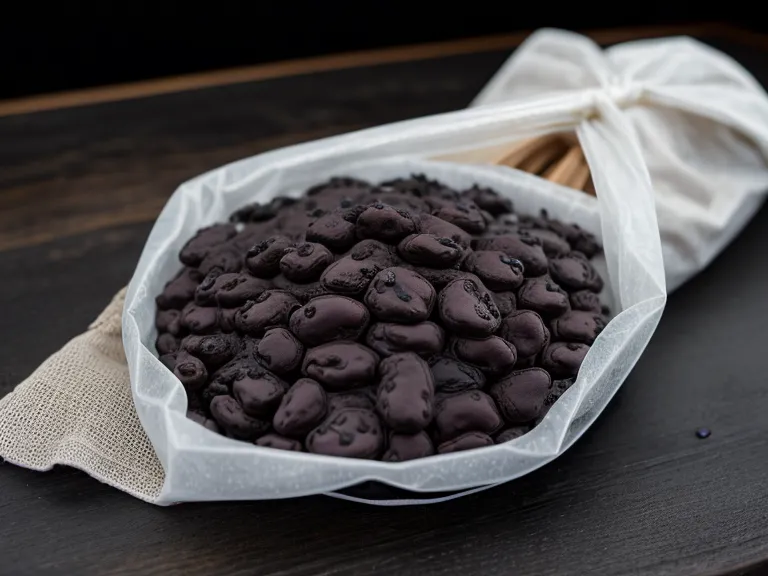
One of my biggest wins was the black bean pivot. I learned that there are about 15 grams of fiber in one cup of cooked black beans. That is huge for weight loss because it actually keeps you full. I started making a massive pot of beans on Sundays, and then during the week, I could turn them into tacos, or put them over a salad, or just eat them with a little salsa while the kids were screaming about a lost Lego piece. It was cheap, it was fast, and it didn't trigger that 'I hate this chicken' feeling.
Dicing Chicken and Facing Reality
I still remember the sensory overload of those early prep days. There is nothing quite like the cold, slightly slimy texture of dicing three pounds of raw chicken on a Sunday afternoon while the kids finally nap. It’s not glamorous. It’s not 'wellness.' It’s just work. But I kept at it because I started seeing the math work in my favor.
In Illinois, our grocery tax is generally 1%, which is way lower than the regular sales tax. I started getting really strategic about what I bought where. I’ve written before about what I buy at the Chicago suburb Aldi to stay on track, and honestly, that store is the only reason we can afford to eat actual vegetables some weeks.
I also stopped guessing on my portions. I’m not a nutritionist or a doctor—seriously, talk to your own health professional before you change everything—but I realized I was eating way more than I needed. I started sticking to a standard protein serving size of about 4 ounces. When you actually measure that out, you realize you can stretch a single pack of chicken across a lot more meals, which helps the budget stay in the green. I have zero medical training, but I know that when I stopped overeating expensive meat and started filling up on those high-fiber beans, my energy levels finally started to stabilize.

Finding Sanity in the Chaos
The first warm week of May this year, I had a quiet victory. I went to pull on my favorite pair of 'pre-baby' jeans—the ones that have lived in the back of my closet like a haunting ghost—and they zipped. Without me having to lie down on the bed. Without me having to hold my breath until I turned purple.
It wasn't because I did some 30-day juice cleanse or spent five hundred dollars a month at a high-end health food store. It was because I figured out how to make meal prep work for my real, messy, suburban life. I stopped trying to be the 'perfect' meal prepper and started being the 'consistent' one. I even started looking into supplements to help with the stubborn parts of the journey—I shared my honest LeanBiome review recently because I wanted to see if a probiotic could actually help with that specific postpartum bloat that just wouldn't budge.
Look, if you are struggling to balance the grocery bill with your weight loss goals, just know that you don't need the fancy containers. You don't need the 'aesthetic' kitchen. You just need a big bag of beans, some frozen spinach, and the willingness to dice some chicken while your kids are distracted by the iPad.
I still drink too much coffee. I still have days where I eat a handful of chocolate chips in the laundry room because the three-year-old is having a meltdown over the color of his cup. But I’m fueling my body better, and I’m doing it without draining our savings account. If I can figure this out between school drop-offs and temper tantrums, you absolutely can too. Just keep it simple, keep it cheap, and for the love of everything, don't buy the 'aspirational' kale unless you're actually going to eat it that night.
If you're looking for other ways to stay on track without losing your mind, you might want to check out my thoughts on everything you need to know about the smoothie diet for moms. It’s another one of those things that I had to adapt to fit my real life, because let's face it—sometimes a blender is the only 'cooking' we have energy for.